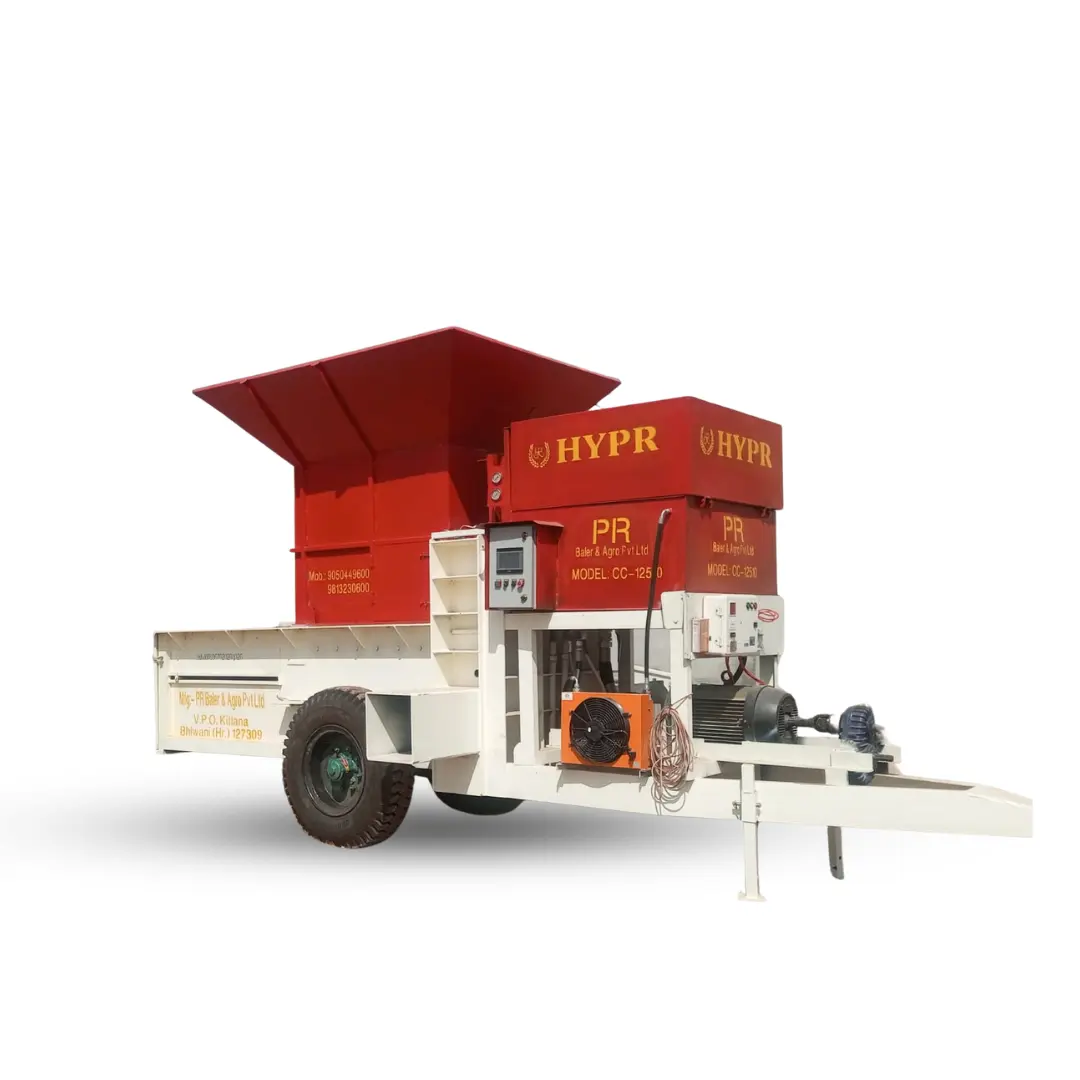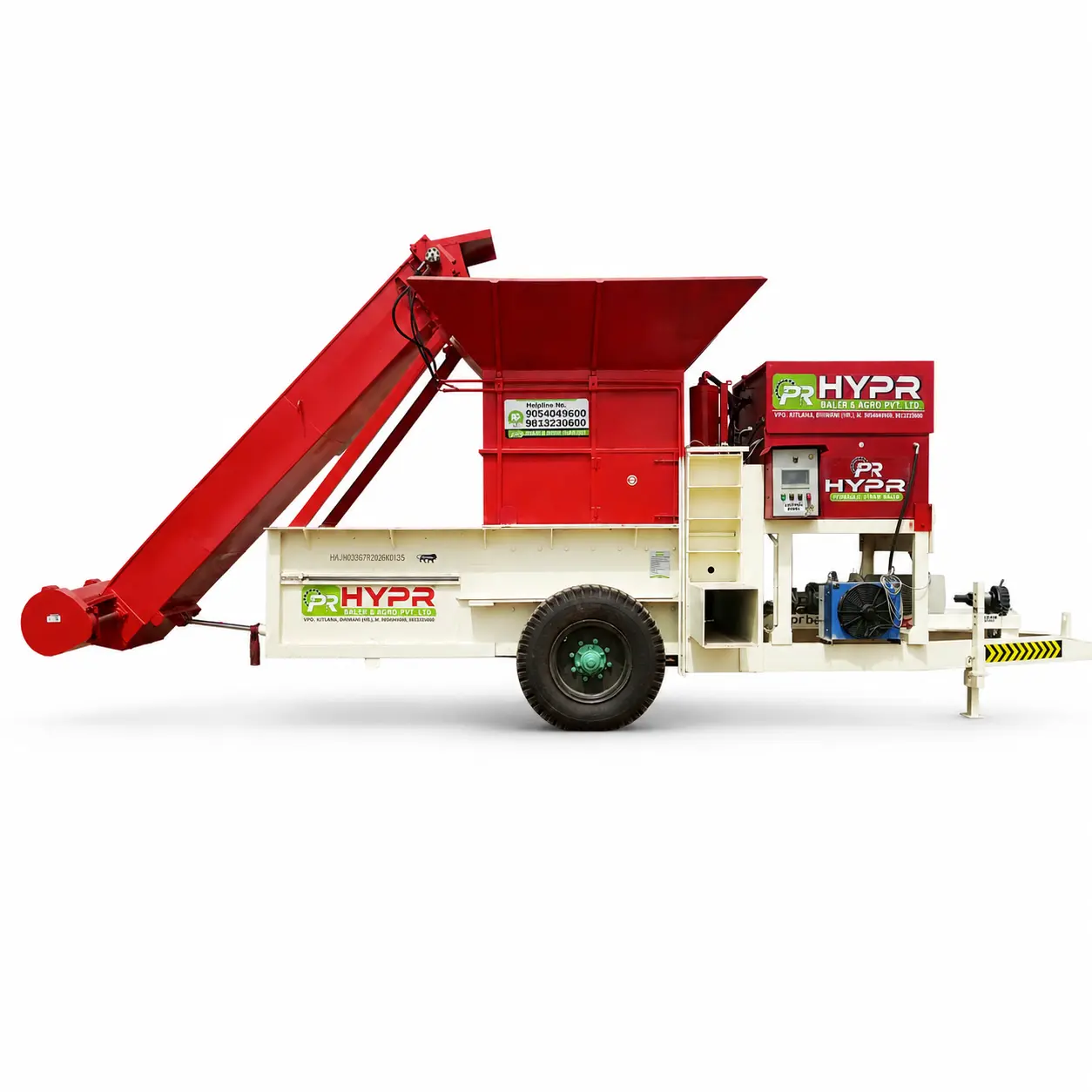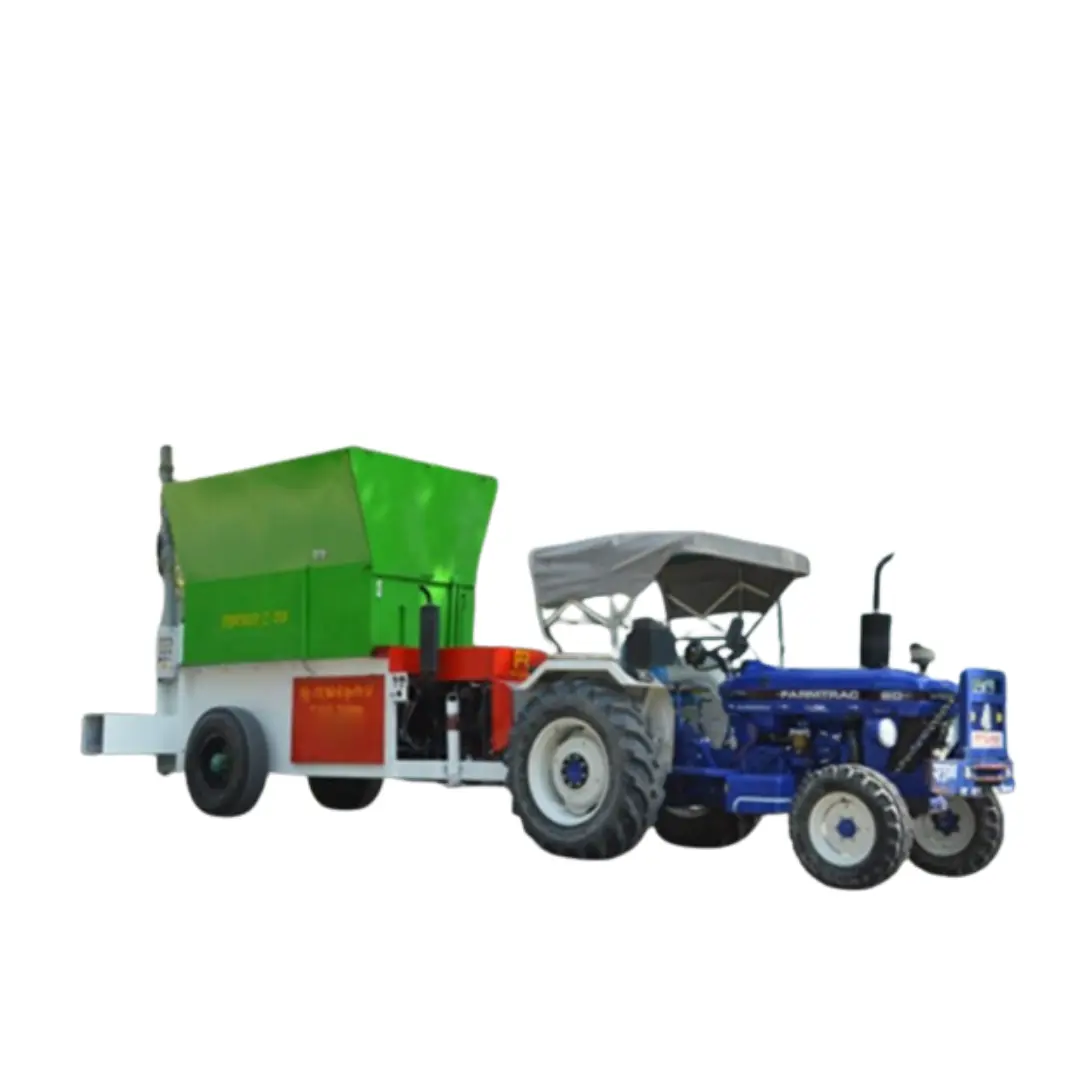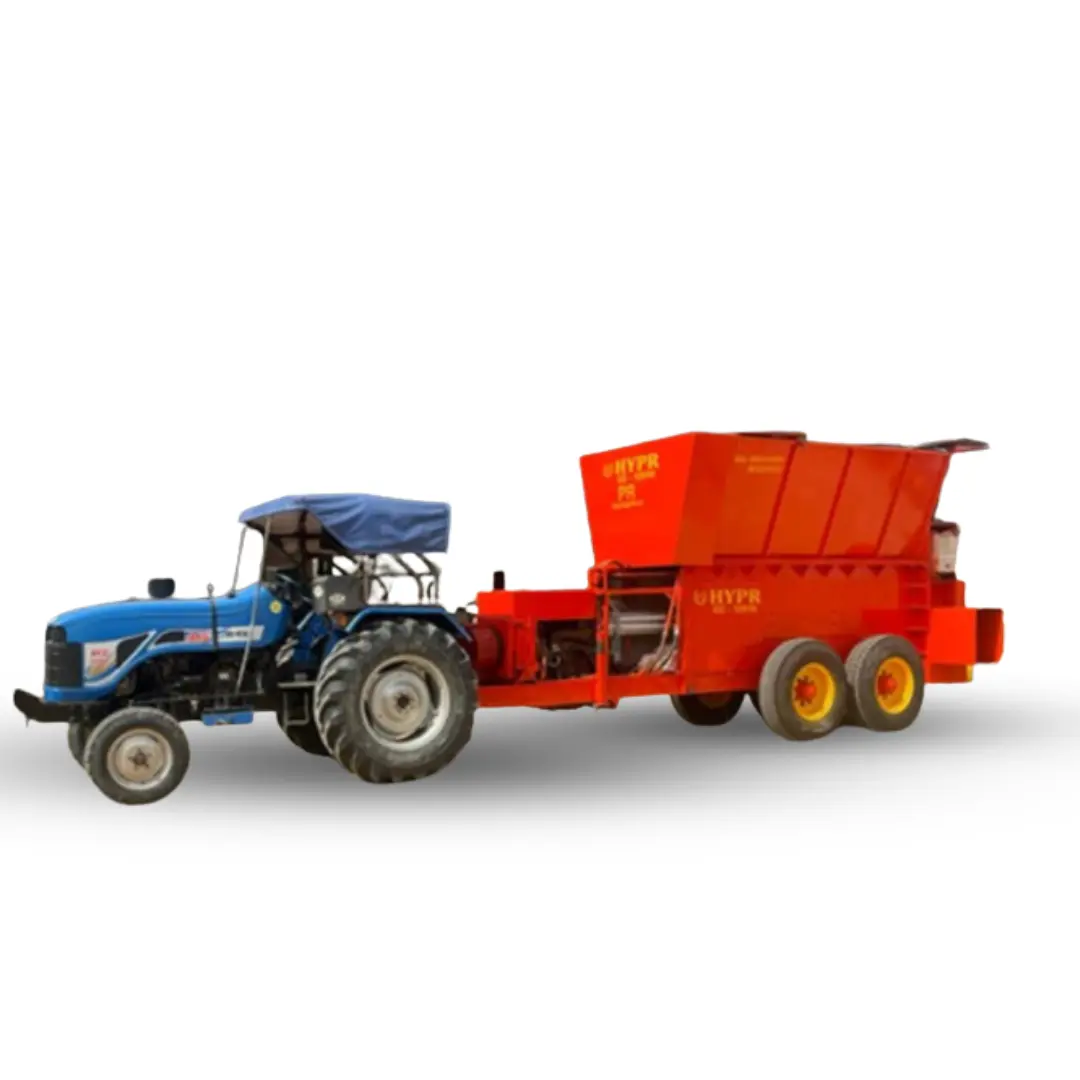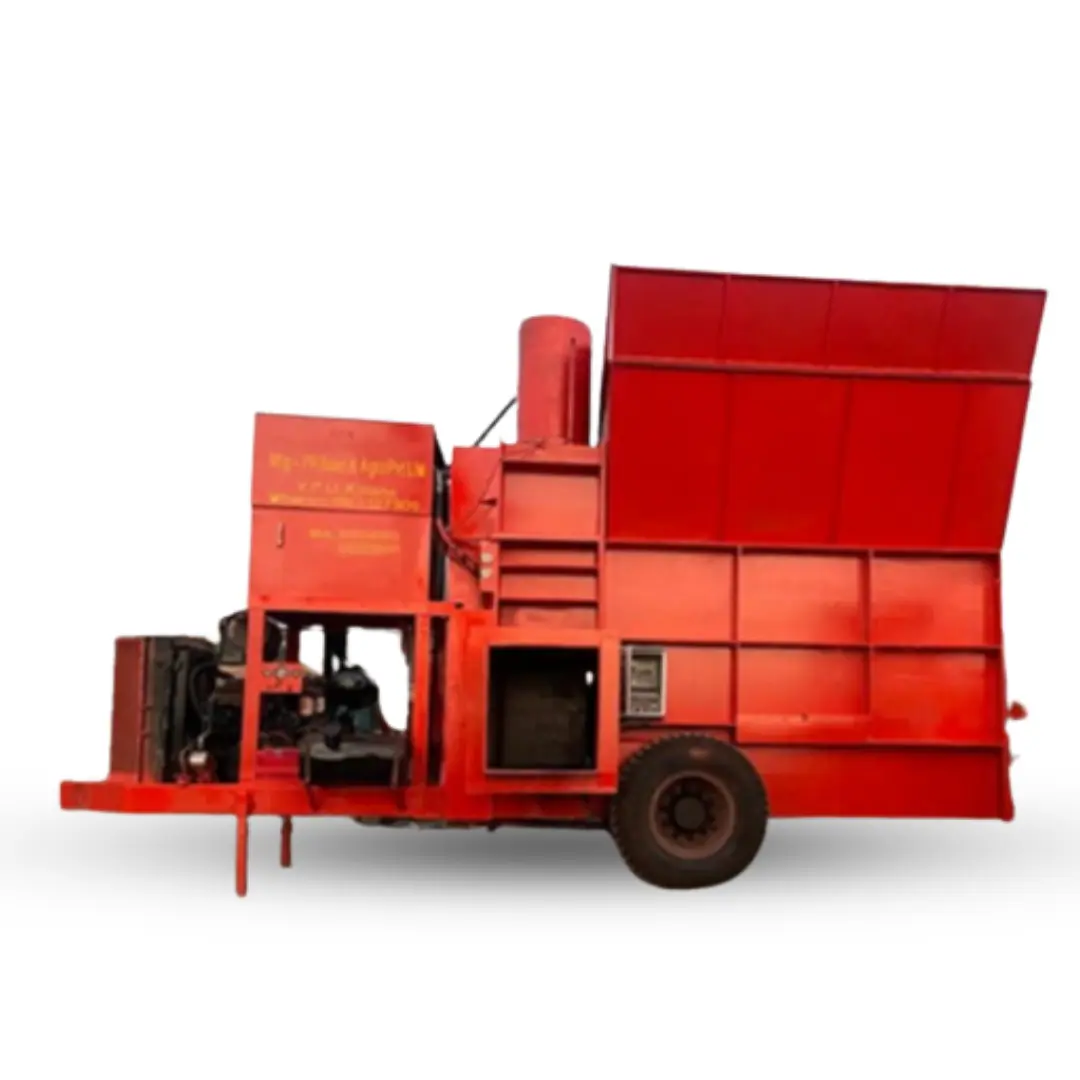
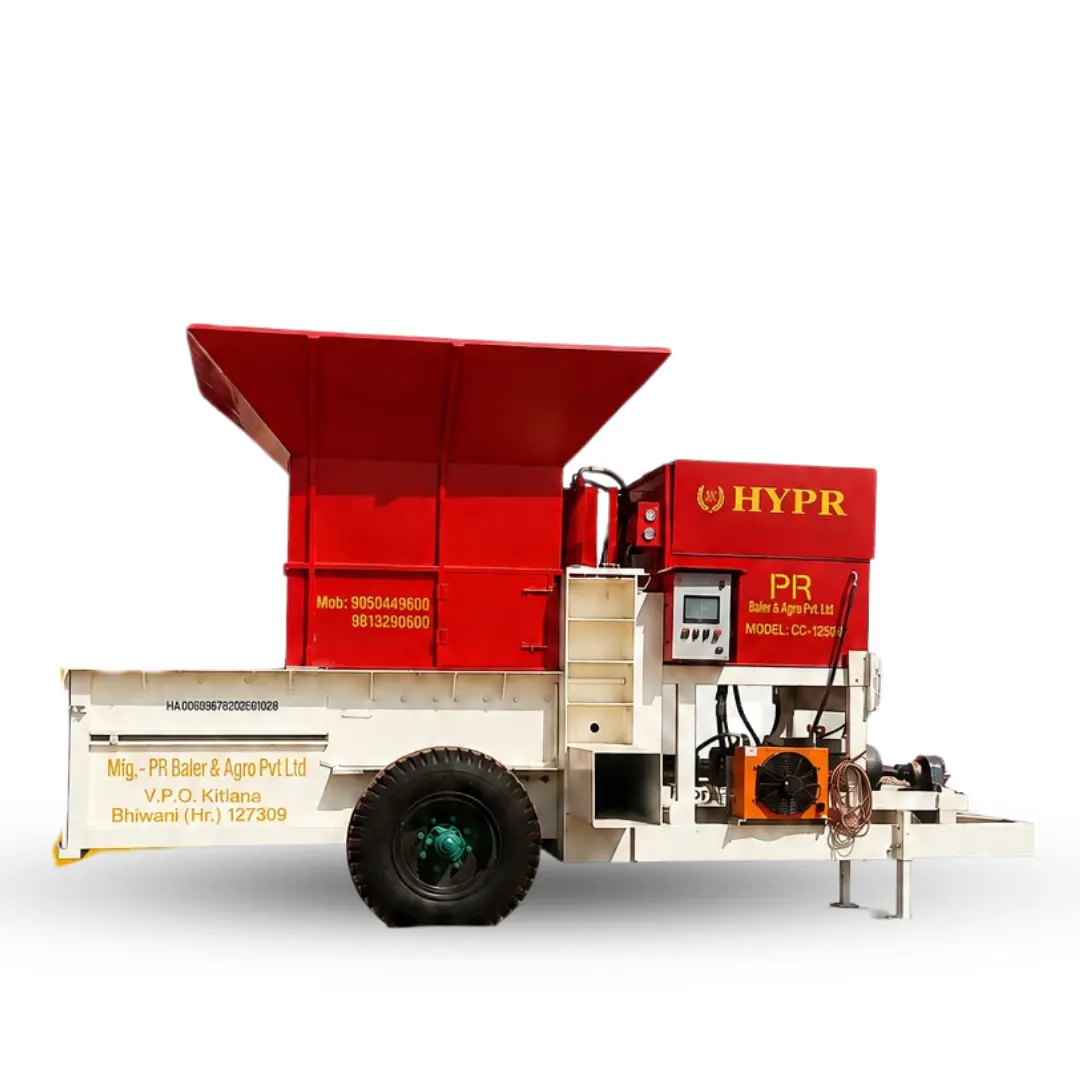
Hydraulic straw baler machines are transforming agricultural waste management by offering a fast, efficient, and cost-effective way to handle crop residues like wheat, rice, and corn straw. These machines compress loose, bulky straw into dense, uniform bales that are easy to store, transport, and sell—turning what was once a disposal problem into a valuable resource for animal feed, biofuel, or industrial raw material. With features like automatic feeding, double-cylinder compression, and high-density output, hydraulic balers significantly reduce labor costs and storage space while boosting farmer income and promoting sustainable farming practices across rural India.
Rice husk and mustard husk, long considered low-value byproducts of grain and oil processing, are now in high demand across multiple industries due to their energy content and versatile applications. Rice husk, rich in silica and cellulose, is used in power generation, construction materials like lightweight concrete and insulation panels, water purification systems, and even high-tech silica extraction for electronics and batteries. Similarly, mustard husk—with its high calorific value and low ash content—is increasingly adopted as a renewable biomass fuel in boilers, brick kilns, and power plants, offering industries a cheaper, cleaner alternative to coal while helping farmers earn additional revenue from what was once treated as waste.
To ensure baler machines deliver consistent performance and long service life, regular and structured maintenance is essential. Daily checks should include hydraulic oil levels, debris cleaning, and safety system verification, while weekly tasks involve lubricating moving parts, inspecting blades, and testing electrical connections. Monthly and seasonal inspections focus on filter changes, cylinder and hose condition, drive belt tension, and end-of-season storage protocols like relieving belt tension and deep cleaning. Proper operator training and keeping critical spare parts on hand further minimize downtime, extend machine lifespan by up to two to three times, and maintain bale quality throughout peak harvesting seasons.
The global demand for industrial baler machines is rising rapidly, driven by environmental regulations, economic efficiency, and widespread adoption across agriculture, recycling, manufacturing, and construction sectors. With the market projected to grow from USD 8.46 billion in 2025 to over USD 15 billion by 2032, balers are becoming indispensable tools for waste volume reduction, recycling profitability, and sustainable operations. Technological advancements like IoT monitoring, auto-tying systems, and energy-efficient hydraulics—combined with strong growth in Asia-Pacific, especially India—are fueling this expansion, making balers a smart investment for businesses aiming to cut costs, comply with green policies, and capitalize on the circular economy.
Copyright© 2026 P.R. Baler & Agro Pvt. Ltd., All Rights Reserved. Designed By HD Smart Media